

Affectionately known as "the Asian vanilla", pandan provides an inviting flavor to many Thai dishes. Read on to learn more about these aromatic green leaves and their use in Thai cuisine.
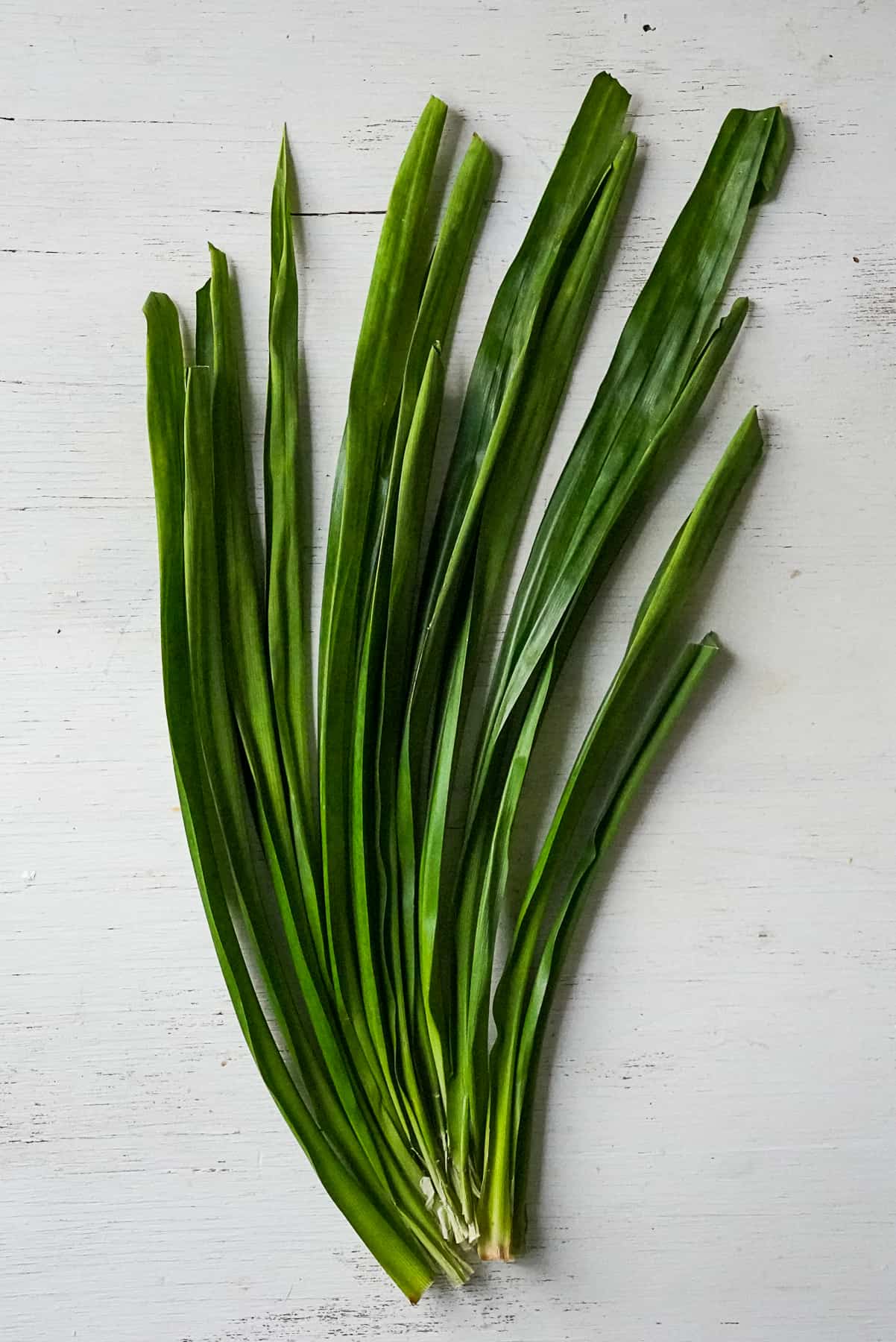
Pandan leaves play a crucial role in Thai cuisine. They have a unique, but very pleasant flavor that can be described as vegetal, floral, nutty, and sweet. This agreeable flavor is used to enhance a number of Thai dishes, in both sweet and savory applications. Here is a quick guide to acquaint you with pandan leaves so that you can use them to their fullest in your Thai cooking.
Jump to:
What are Pandan Leaves?
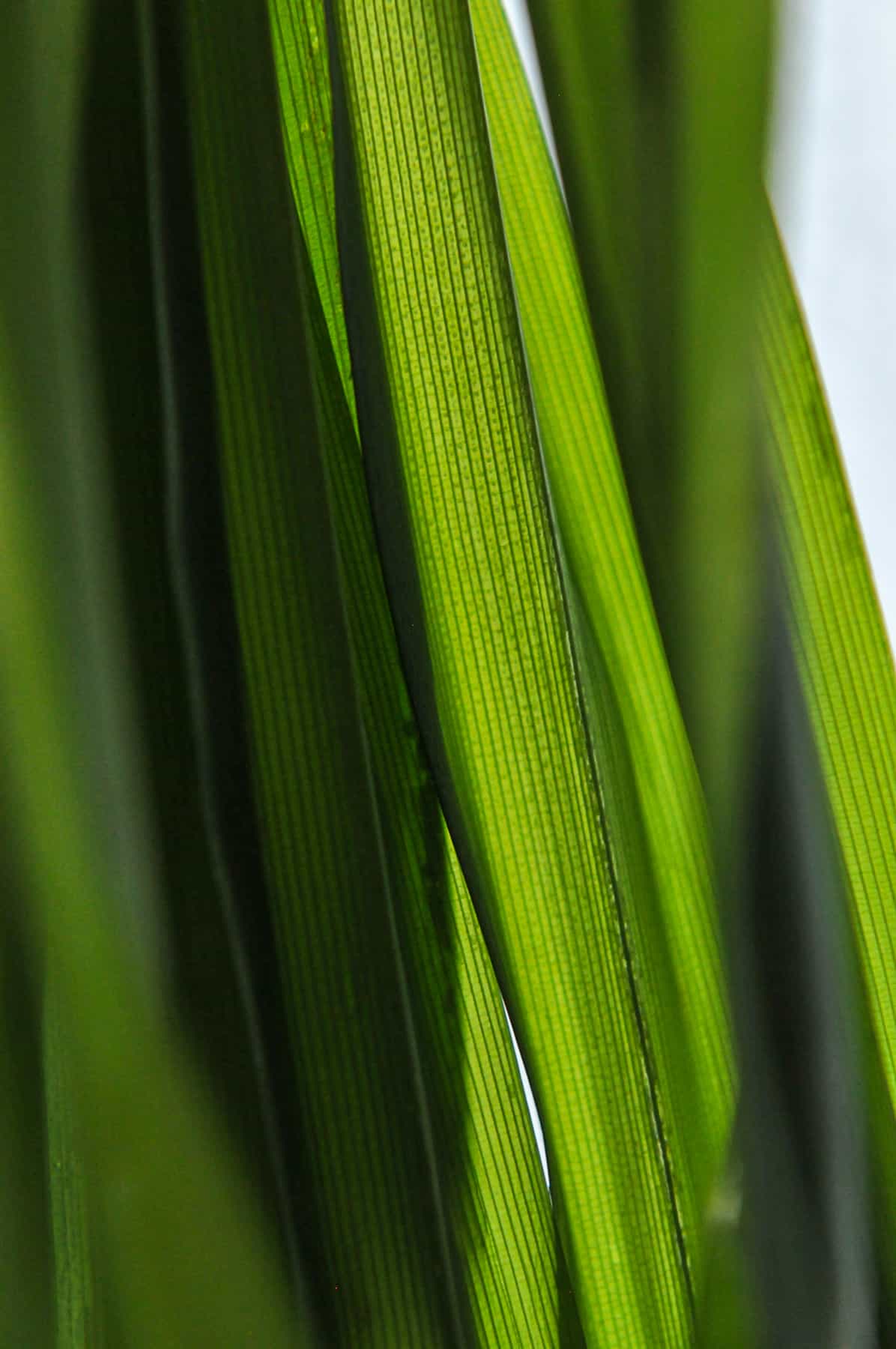
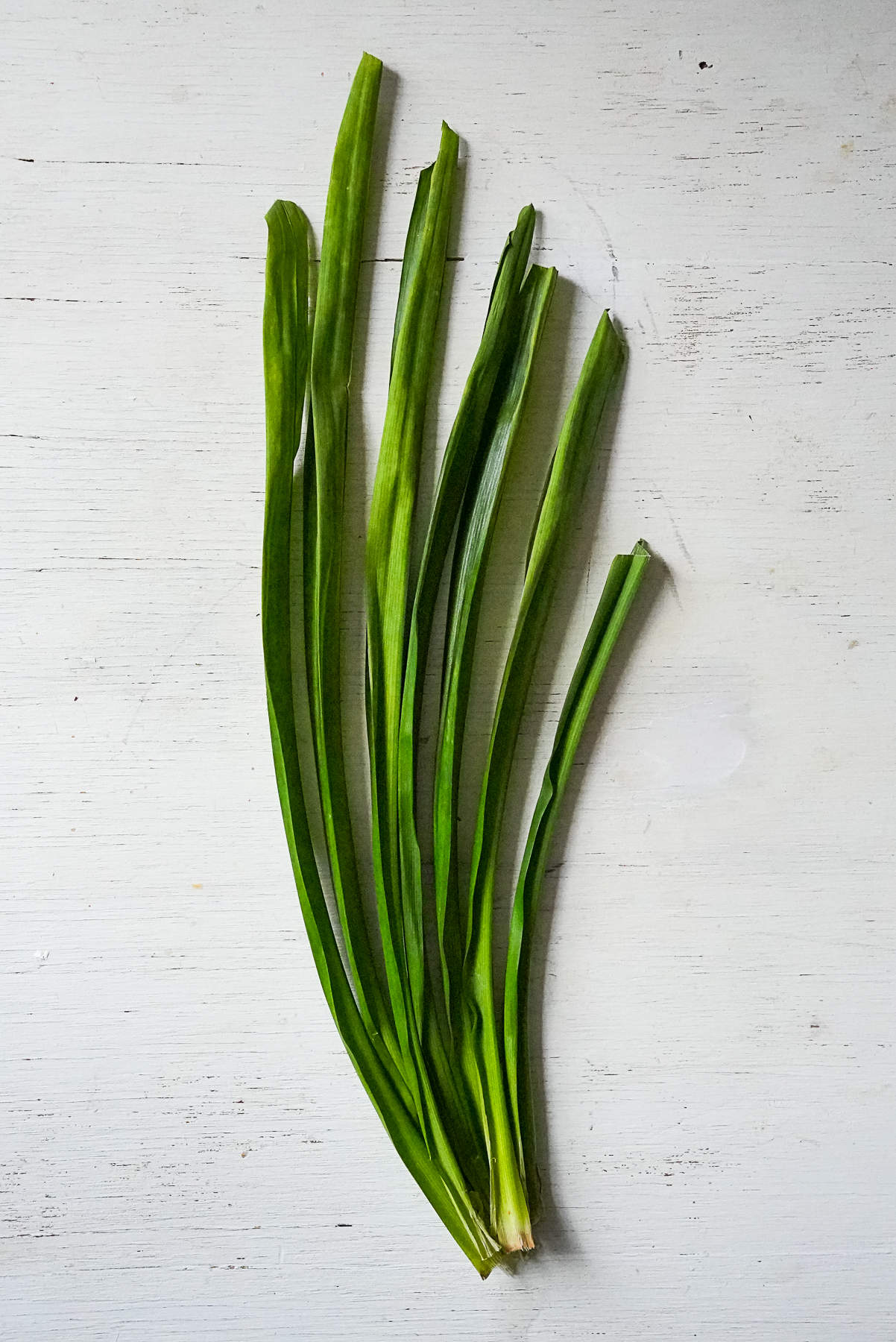
Pandan leaves are long, narrow, verdant green leaves that are used as a flavoring agent in Thai (and Southeast Asian) cooking. Pandan is the common name for Pandanus amaryllifolius, a plant belonging to the screw pine family. They are also sometimes called screw pine leaves or screw palm leaves. In Thai, Pandan leaves are known as Bai Tuey (ใบเตย). Pandan plants thrive in tropical climates, and are prevalent across Southeast Asia. Its spikey leaves grow in fan-shaped bunches with each leaf reaching 12-20 inches in length.
What does Pandan Taste Like?
Pandan leaves have a very pleasant, comforting flavor and aroma. They have the vegetal qualities of green tea with a sweet, nutty flavor that lingers on your palate. This flavor has also been described as being grassy, floral, and even vanilla-like. Pandan's unique flavor is caused by the same naturally-occurring chemical compound that gives jasmine rice its characteristic aroma. This flavor is subtle, but unmistakable. Once you have tasted it, you'll be able to recognize pandan in many Thai dishes.
How is Pandan Used in Thai Cooking?
Pandan leaves are quite fibrous, so they are used as a flavoring agent rather than being eaten directly. There are numerous ways that pandan flavor is infused into Thai dishes.
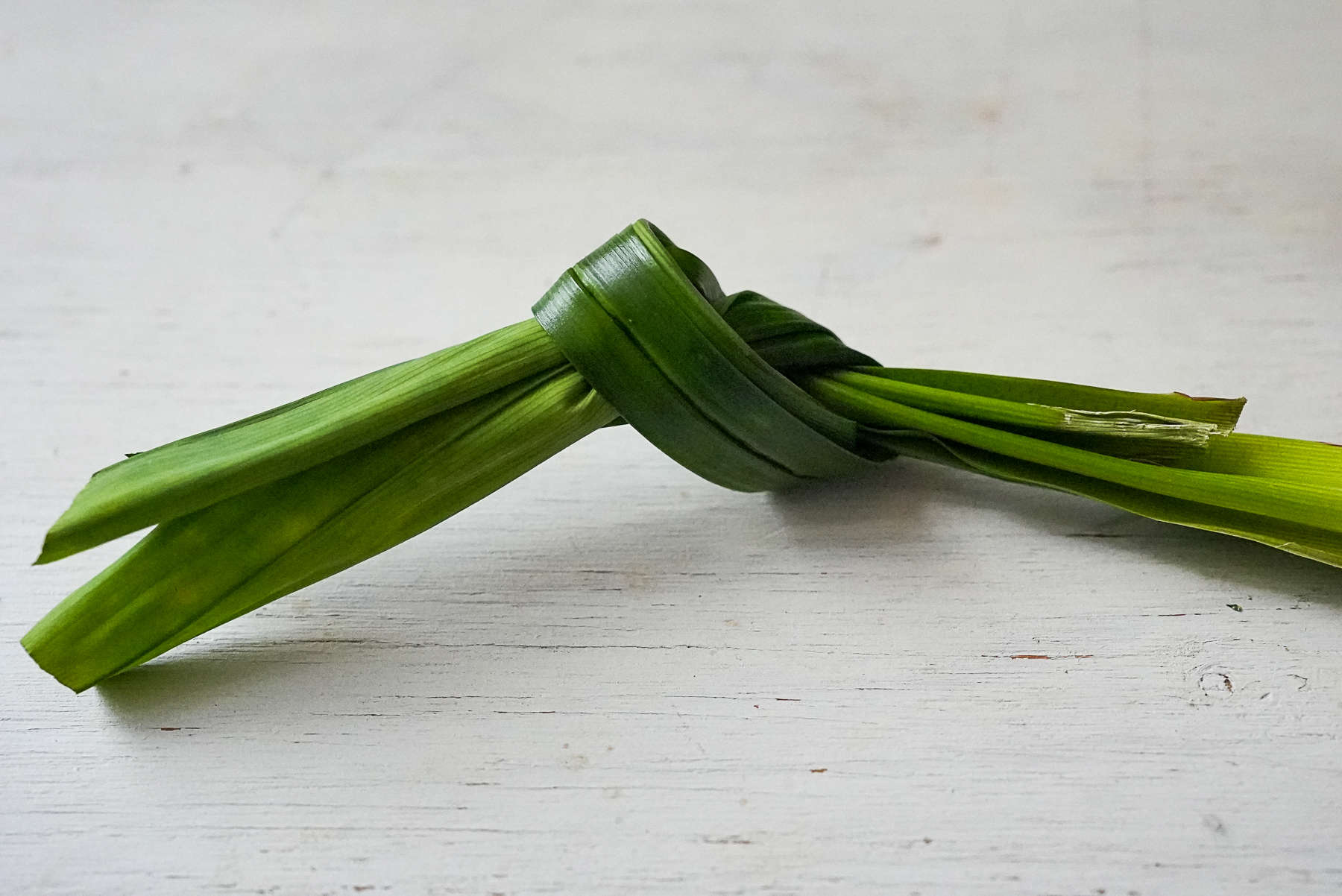
Pandan leaves are commonly knotted and then added to dishes while they are cooking. Knotted pandan leaves could be added to a pot of steaming rice, for example. They are also commonly steeped in coconut milk, or added to a pot of hot oil for deep frying. Occasionally pandan are wrapped around a food, such as in Pandan Chicken, imparting their flavor to the dish as it cooks. Other times, the juice from pandan leaves is extracted and used in desserts, such as in Khanom Chan and Pandan Coconut Agar. In addition to imparting its flavor, pandan juice also acts as a coloring agent, making the dish a beautiful pastel green.
How to Make Pandan Extract
If your recipe calls for Pandan extract, follow these simple steps to make it from fresh or frozen pandan leaves.
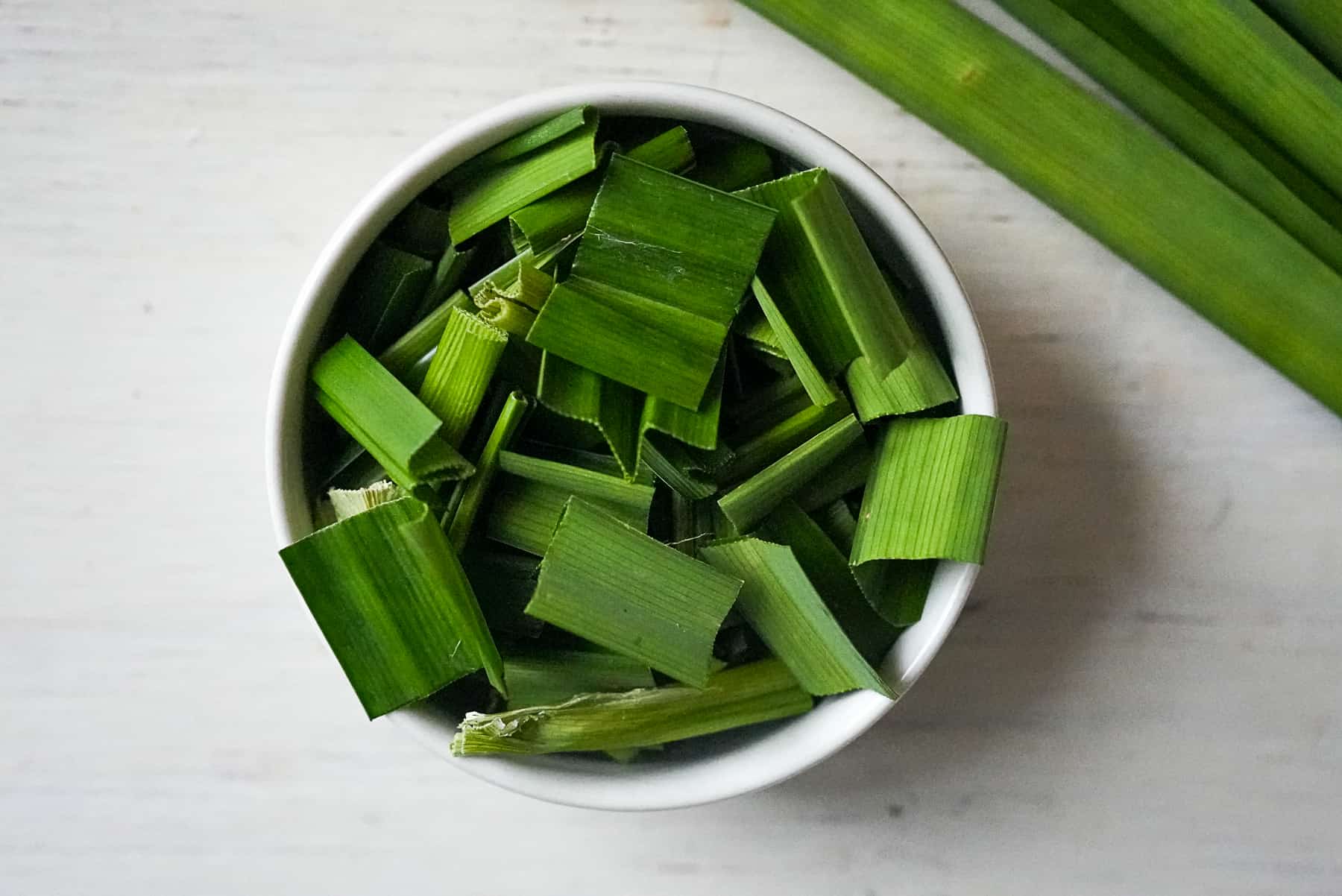
Cut the Pandan: Wash the pandan leaves. Cut them into small segments, about an inch or so in length, with kitchen scissors.
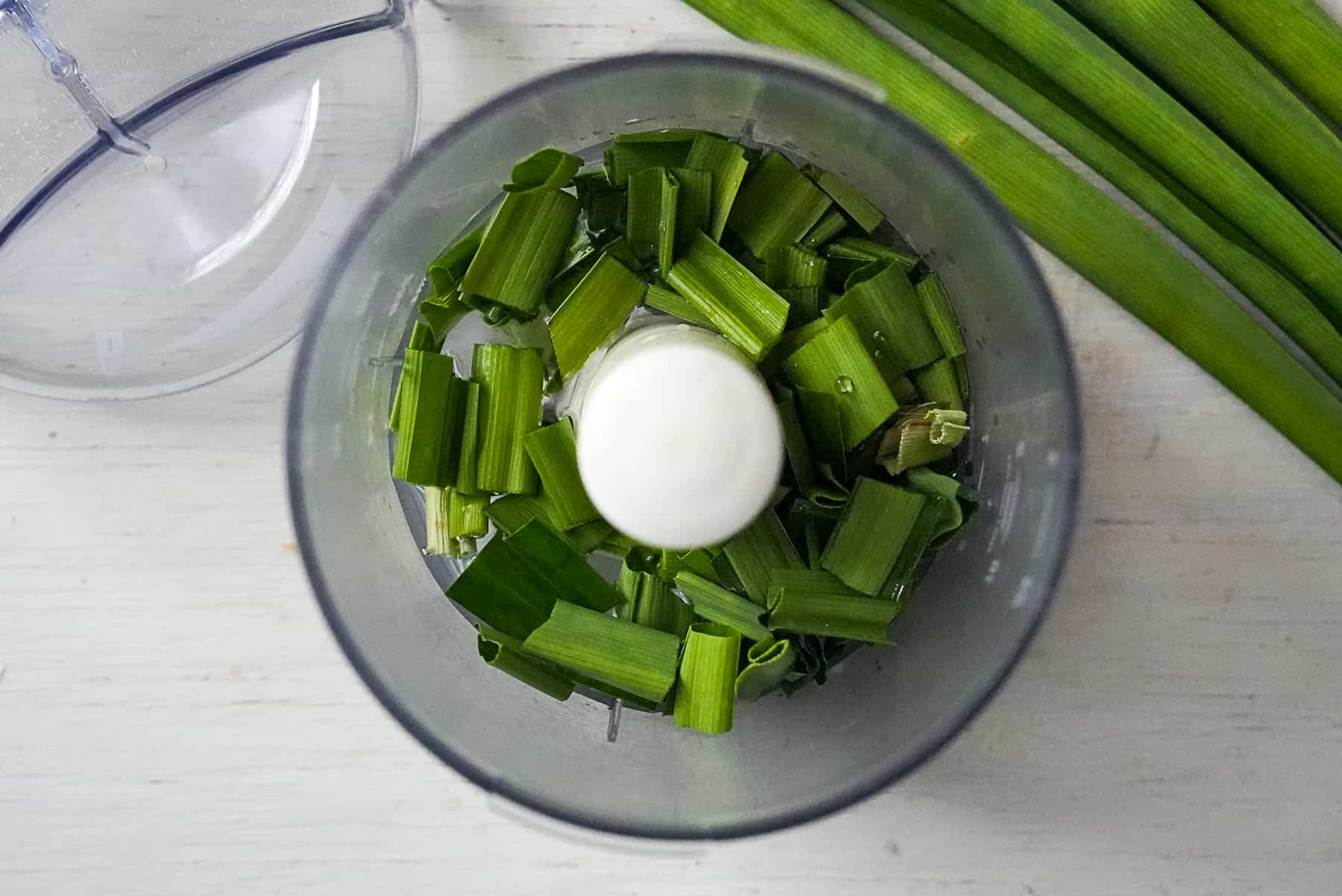
Blend with Water: Combine the cut leaves with water in a 1:1 ratio and blend until the leaves are broken down.
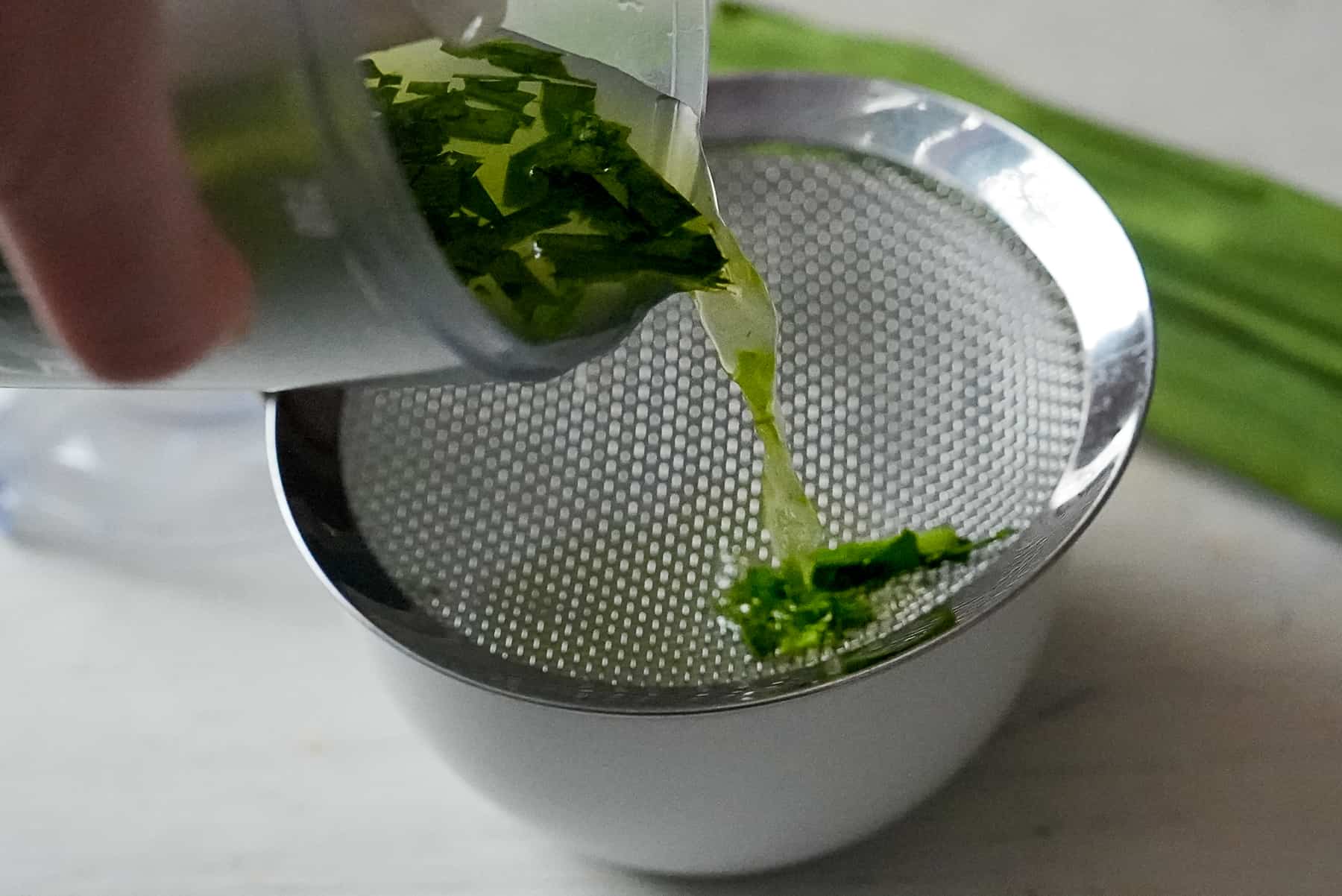
Strain out the Leaves: Pour the blended leaves through a strainer, pressing it until you have extracted all of the juice.
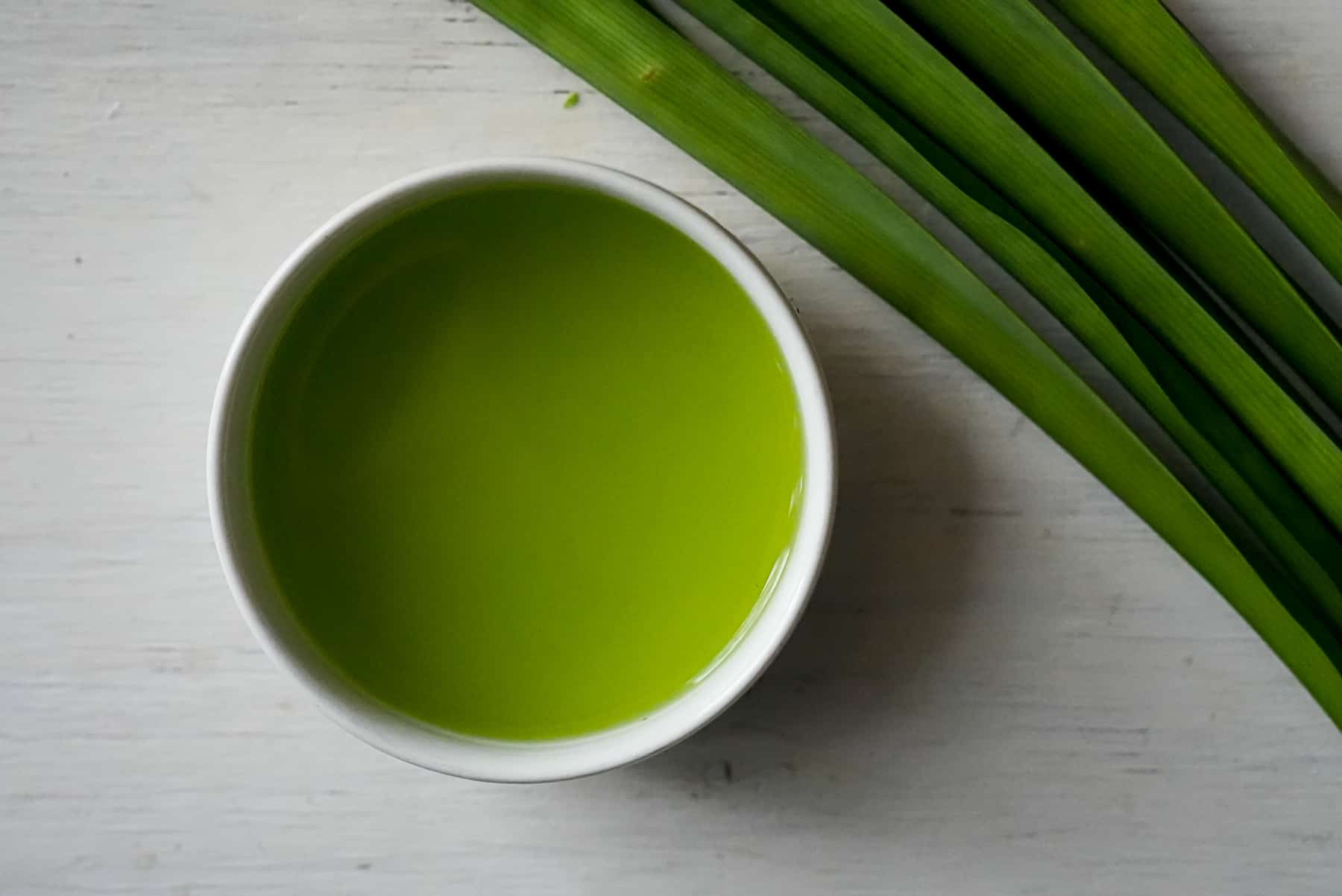
Use in Thai Cooking: You will end up with a green extract that can be used in many different Thai desserts.*
*NOTE: You will wind up with a lighter, brighter extract when using fresh pandan leaves. Frozen pandan leaves tend to be darker green and produce a darker green extract as well.
Where Can You Find Pandan Leaves?
Finding fresh pandan leaves can be challenging. They are occasionally available at local Asian markets, particularly those catering to the Southeast Asian population. There are several online sources that also carry fresh pandan leaves, although these tend to be more expensive than what you might find at a local store.
Fortunately, frozen pandan leaves work well enough in most Thai cooking applications. Frozen pandan leaves are much more readily available, and can be found in the frozen section of many Asian markets.
Pandan Leaves Substitute
Unfortunately there are no great substitutes for the unmistakable flavor of pandan. Fresh or frozen pandan leaves are your best bet. However, if you're not able to find fresh or frozen pandan leaves in your area, you could consider one of these alternatives:
1: Dried Pandan Leaves: Dried pandan leaves can be used in place of fresh or frozen leaves in a pinch. However, they provide significantly less flavor and aroma compared to fresh or frozen leaves.
2: Pandan Extract: Pandan extract is readily available at many Asian grocery markets. Unfortunately these extracts tend to have a pronounced neon green color and strong artificial taste.
3: Vanilla: In some cases, vanilla can be substituted for pandan in Thai desserts. It does not have the same flavor as pandan, but it works to provide a subtle extra flavor in some desserts, such as this Pumpkin Custard.
Storage
Fresh pandan leaves can be stored in the refrigerator for several days. They should be kept in a plastic bag to keep them fresh. They can be kept for several months or longer in the freezer. Be sure to keep them in a freezer safe bag to prevent freezer burn. When you're ready to use them, take out the amount you'd like to use and let come to room temperature on the counter.
Pandan leaves have a such a pleasant aroma and flavor, it's no wonder they are used so widely in Thai cooking. They add a special flair to every dish, whether sweet or savory. Although pandan leaves might require a little effort to find, the extra boost of flavor they provide is well worth it!


Leave a Reply